A wood stove with a clear door is a different animal to one with a blacked-out pane. You can watch the flames take hold, judge the draught, and see at a glance whether the latest log is burning the way it should. Then a week of cold evenings passes, the glass clouds to brown, the brown turns to a black crust, and the fire becomes a mystery behind a curtain.
Cleaning it shouldn't be a fight, and it shouldn't cost you a pane. Stove glass is usually a ceramic glass made for the job, and it doesn't take kindly to the rough treatment you'd give a baked-on roasting tin. The good news is that the best tools are often already in the room, and the whole job takes about ten minutes once you know the order of play.
It helps to know what you're removing. When a fire runs hot with a decent supply of air, most of the smoke burns inside the firebox and the glass stays surprisingly clear. That's the air wash at work — a curtain of air drawn down the inside of the door that keeps combustion gases away from the pane.
Starve the fire of air, damp it right down for the night, or feed it wet wood, and that smoke never gets hot enough to burn. It condenses on the coolest surface available, which is normally the glass. Fresh deposits are soot: soft, dry and grey-black. Older deposits are creosote and tar — sticky at first, then hard and glossy.
The difference matters, because soot wipes off and creosote doesn't. If you've been slumbering the stove overnight on unseasoned logs, you'll be dealing with the second type, and that's where patience and a blade come in.
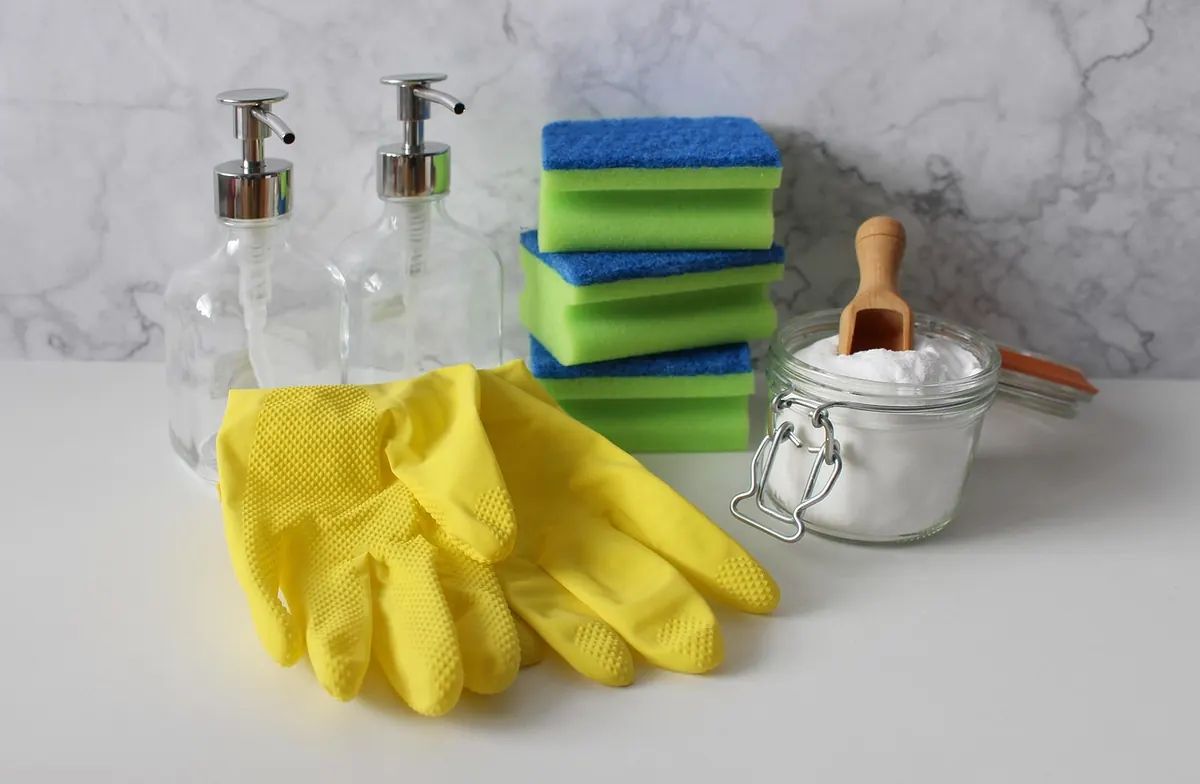
This is the oldest method there is, and for light soot it's still the best. It's gentle, it's free, and the fine grit lifts the deposit without cutting into the glass.
For a film of brown haze rather than a crust, this alone will usually sort it.
Proprietary cleaners earn their place once the deposit has hardened. Gels and foams are easier than sprays on a vertical pane because they cling instead of running off. Apply a thin layer, leave it for thirty seconds to a minute — long enough to soften the film, not so long that it dries — then wipe with a cloth or a non-scratch pad and buff clear.
Cream cleaners can work well, but read the label. Some are formulated for ceramic glass; others contain hard abrasives that leave a permanent haze. If in doubt, test a small corner first. Whatever you use, keep it off the door rope, the stove paint and any brass fittings, and open a window while you work.
If a black patch refuses to budge, stop scrubbing. More pressure with ash or a pad is exactly how glass gets scratched, and scratched glass traps soot, so it dirties faster next time.
Reach for a blade instead. Hold a razor scraper at a shallow angle — around ten to twenty degrees to the glass, almost flat — and push it in one direction to lift an edge of the deposit. Work gradually across the pane, wiping the blade clean as it clogs. Wear gloves, and go back over the area with ash or cleaner afterwards to remove the smeared residue.
A few points worth remembering: blades are for flat ceramic glass only, never for printed, coated or curved panes; never use a kitchen knife, chisel or screwdriver; and change the blade when it dulls rather than leaning on it.
Sometimes a faint cloudiness remains no matter what you do. That's usually not dirt but fine scratching or etching from past cleaning. It won't come off, and it's a good reason to be gentler from here on.
Photo: Monfocus / Pixabay

Smoke control areas cover much of urban Britain. Here's how to check your postcode, which fuels are authorised, and...
Wet wood wastes heat and lines your flue with tar. Here's how to split, stack and test firewood so it burns hot,...
A practical guide to fire guards, log baskets, ash caddies, tools and hearth rugs — how to choose kit that keeps...


Your cozy guide to fireplaces and hearth living.
