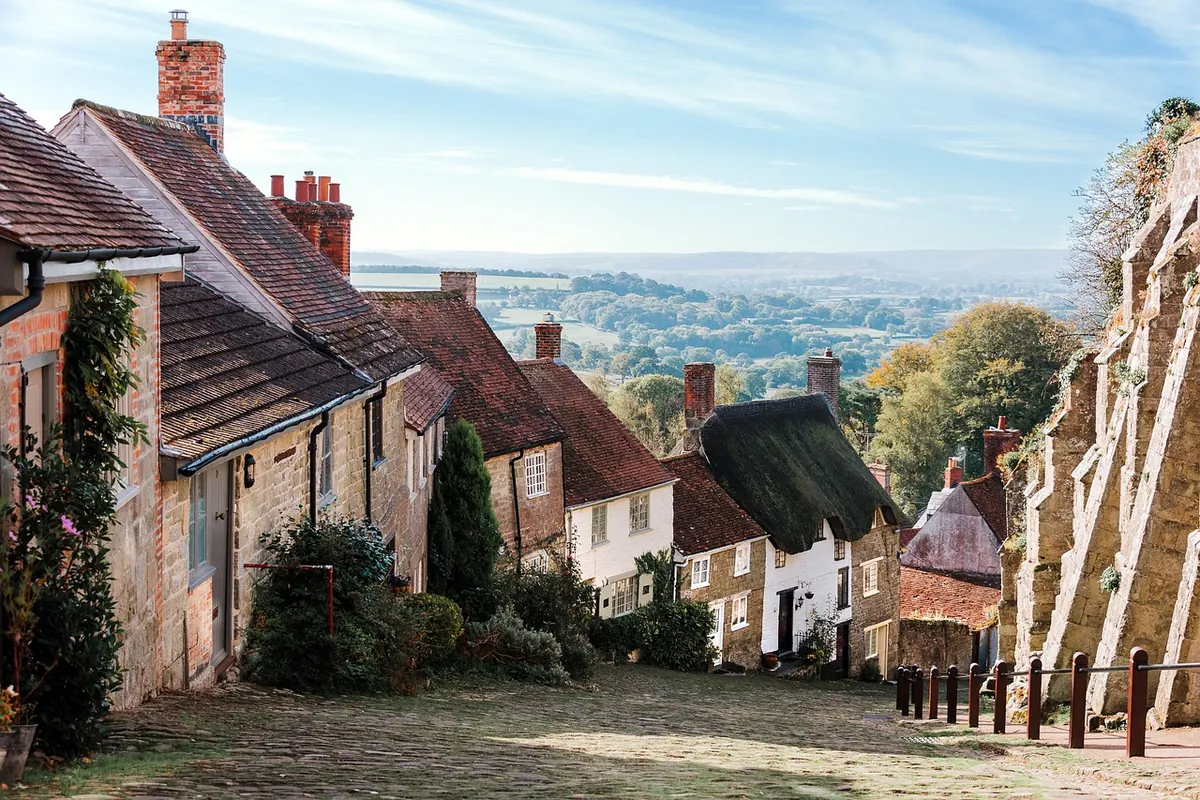
If you're fitting a wood burner, reviving an open fire or replacing an ageing gas fire, the liner question comes up fast. Sometimes the answer is obvious — an unlined Victorian flue serving a new stove almost always needs one. Sometimes it's borderline, and it comes down to what's actually inside your chimney, what you plan to burn, and whether you're willing to pay for a survey to find out.
Here's what a liner does, when it's required, the types you'll be offered, and how to judge whether your chimney is a good candidate.
A liner is a tube that sits inside the chimney and becomes the flue. Rather than flue gases travelling up the rough, porous inside of the masonry, they travel up a smooth, sealed, correctly sized passage. That matters for three reasons:
Plenty of homes already have a flue of sorts — clay or terracotta sections bedded in mortar, built in when the house went up. That counts as lined, but the joints are the weak point, and decades of heat, soot and chimney fires take their toll. Older properties may have nothing more than a rough parged shaft, or bare brick.
In England and Wales, work on a flue serving a new or replacement appliance falls under Approved Document J of the Building Regulations. The principle is straightforward: the flue has to carry the products of combustion away safely, and it has to be the right size and material for the appliance. Where an existing chimney can't meet that standard — and plenty can't — a liner is usually the simplest way to put it right.
In practice, a liner is normally needed when:
If the existing flue is sound, correctly sized and proven by a smoke test, a liner isn't always compulsory. Many installers will still recommend one for solid fuel, because it gives a known, consistent flue rather than an unknown one, and it's far easier to sweep.
What you're offered depends on the fuel, the condition of the chimney and whether the flue is straight.
Whatever the material, the diameter has to match the appliance manufacturer's specification. Too narrow and you restrict the draw; too wide and the gases cool too quickly, which leads to tar, staining and a flue that smokes back. If someone quotes you a liner without checking the appliance's requirements, ask why.
A reputable installer will assess before quoting. You can do some of the groundwork yourself:
Some symptoms point clearly to a flue that's failing: crumbs of mortar or soot landing on the hearth, a smoky smell in upstairs rooms, brown staining on the chimney breast, smoke rolling back into the room when you light up, or a tar-like smell even when the fire isn't lit. A previous chimney fire is another red flag, because the heat can crack clay liners without any visible sign from outside.
If you smell fumes indoors, stop using the appliance and get the chimney checked before you light it again. Fit a carbon monoxide alarm as a matter of course, and have the chimney swept regularly — at least once a year for wood, and more often if you burn a lot.
Solid fuel work is best handled by a HETAS-registered installer, who can self-certify the installation so you don't have to notify building control separately. Gas appliances must be fitted by a Gas Safe registered engineer, and oil by an OFTEC-registered technician. Rules and paperwork differ slightly in Scotland and Northern Ireland, so check with your local building control team if you're unsure.
When you get quotes, ask what the survey includes, whether you'll receive a CCTV report, what grade of liner is proposed and whether insulation is part of the price. Ask what happens if the chimney turns out to need repointing or a new pot before the liner goes in. Two or three quotes should give you a clear picture.
A liner isn't the most glamorous part of a fireplace project, but it's the part that decides whether the fire draws properly, whether the room smells of smoke, and whether your family is safe upstairs. Get the survey done, choose the right liner for the fuel, and have it fitted by someone who'll put their registration behind it.
Photo: Bittermuir / Pixabay
Smoke control areas cover much of urban Britain. Here's how to check your postcode, which fuels are authorised, and...
Wet wood wastes heat and lines your flue with tar. Here's how to split, stack and test firewood so it burns hot,...
A practical guide to fire guards, log baskets, ash caddies, tools and hearth rugs — how to choose kit that keeps...

Your cozy guide to fireplaces and hearth living.
