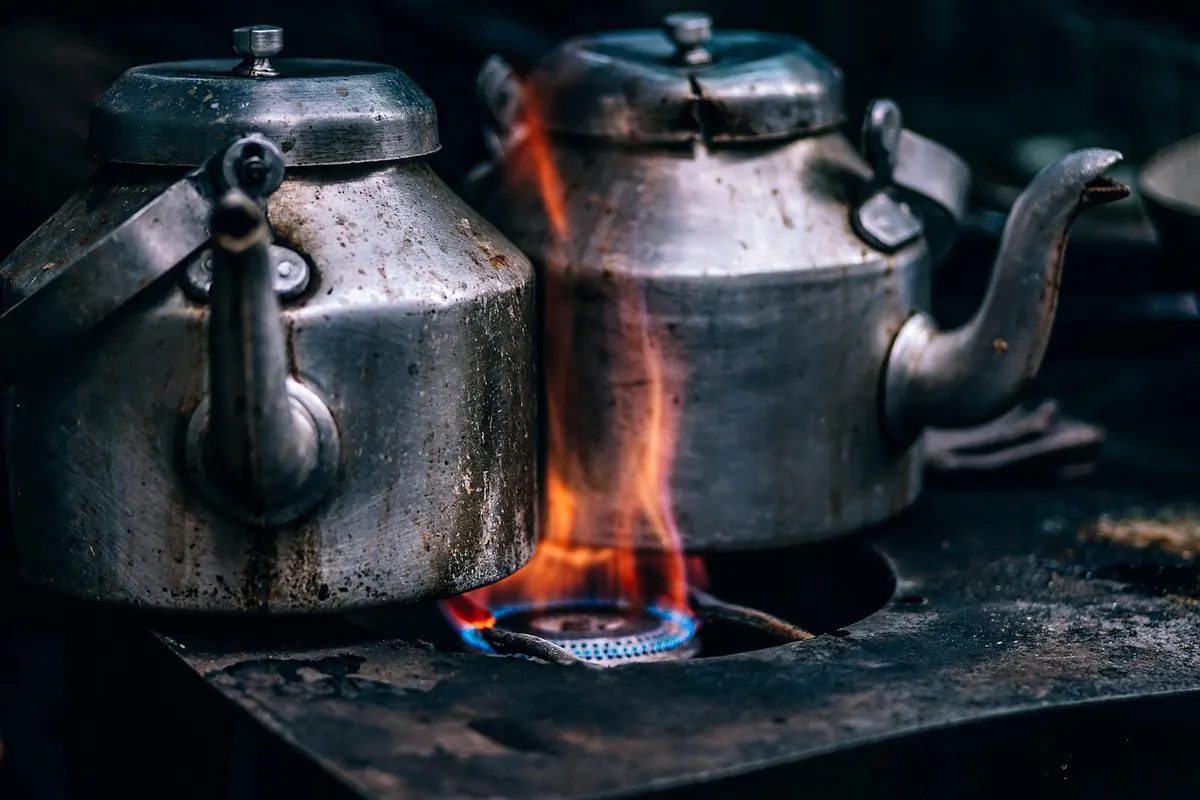
A wood burning stove is a heat source, a chimney and a small controlled fire, all contained inside one appliance in your home. That is why the UK regulates them, from what you can burn to how far the flue sits from the nearest combustible surface. Most of it exists to keep chimneys safe and the air in your street reasonably clean.
The awkward part is that the rules do not sit in one place. Some come from the Clean Air Act, some from the Building Regulations, some from your local council. Here is what to check before you buy a stove or book an installer.
Large parts of urban Britain are smoke control areas. Inside one, it is an offence for smoke to be emitted from a chimney unless you are burning an authorised fuel or using an exempt appliance.
Wood is not an authorised fuel. In a smoke control area, you need an exempt appliance to burn it.
Checking takes minutes. Most councils publish a smoke control area map, and the government's UK Air Information Resource site has a postcode checker. Councils hold the definitive record, though, so if the map is ambiguous or you sit near a boundary, ring the environmental health team and ask. A short email you can keep is worth having.
Stoves are advertised as "Defra approved" or "Defra exempt". The official term is an exempt appliance: a model tested and shown to burn wood without producing enough smoke to breach the smoke control rules. Defra keeps the list, and each entry names the fuels the exemption covers.
It is a permission slip, not a quality mark, and it says nothing about how well a stove heats a room. Nor is it unconditional. The exemption applies when the appliance is used as tested, which generally means well-seasoned dry wood and the manufacturer's stated fuel. Burning wet wood or treated timber in an exempt stove still puts you on the wrong side of the law.
Since 2022, new solid fuel appliances sold in the UK must also meet Ecodesign emission limits, so most stoves on a showroom floor today clear both hurdles.
Smoke control areas are only half the story. Whether you live in a city centre or a remote hamlet, the installation has to satisfy the Building Regulations. In England and Wales that means Approved Document J; Scotland and Northern Ireland have their own building standards covering much the same ground.
Document J is long, but for a domestic installation it comes down to four things.
A stove needs a permanent, unobstructed air supply, which in a modern draught-proofed house usually means a fixed vent through an external wall. The size depends on the appliance's rated output and how airtight the room is, so it is a calculation rather than a guess. Blocking the vent later because the room feels cold is unsafe, not thrifty.
The stove must stand on a non-combustible hearth of a specified size, commonly at least 300mm in front of the appliance and 150mm to each side. Some models are tested to a lower floor-temperature standard and can sit on something simpler, but that depends on the appliance. Your installer matches the hearth to the tested specification, not to what looks tidy.
Diameter, height, route and termination all matter. As a rough guide, a chimney serving a solid fuel appliance should be at least 4.5 metres from the hearth to the terminal, and the outlet must sit clear of the roof and any nearby opening windows. An existing chimney will usually need sweeping first, and often lining.
The regulations require a carbon monoxide alarm in the same room as a solid fuel appliance. Fit one to the relevant British Standard, and test it. It is separate from the smoke alarms elsewhere in the house.
Fitting a solid fuel appliance is notifiable building work. There are two routes:
That certificate matters at sale time. A buyer's solicitor will ask for it, and a missing one can stall a purchase or cost money to put right later.
Most stoves and internal flues need no planning permission. Check before you commit if any of these apply:
Burn dry, well-seasoned wood, and burn it hot rather than letting it smoulder. The Ready to Burn logo indicates a moisture content below 20 per cent, which is the practical benchmark worth aiming for. Have the chimney swept regularly, and more often if you use the stove daily.
Rules differ across England, Scotland, Wales and Northern Ireland, and they do change. Before you order anything, confirm the current position with your council's environmental health team and Building Control, and take your installer's advice on your specific property. If your home is listed, leasehold, or you are unsure about consents, a short conversation with a solicitor or surveyor is money well spent.
Photo: Pexels / Pixabay
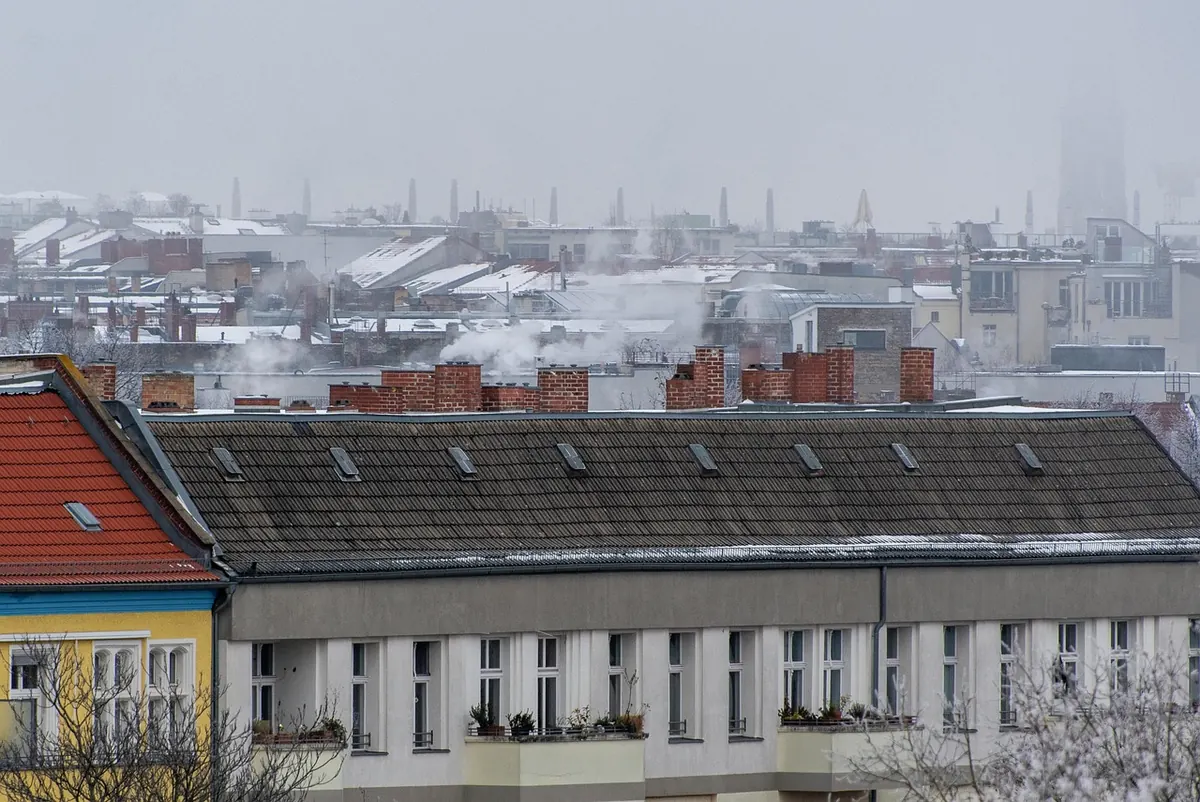
Smoke control areas cover much of urban Britain. Here's how to check your postcode, which fuels are authorised, and...
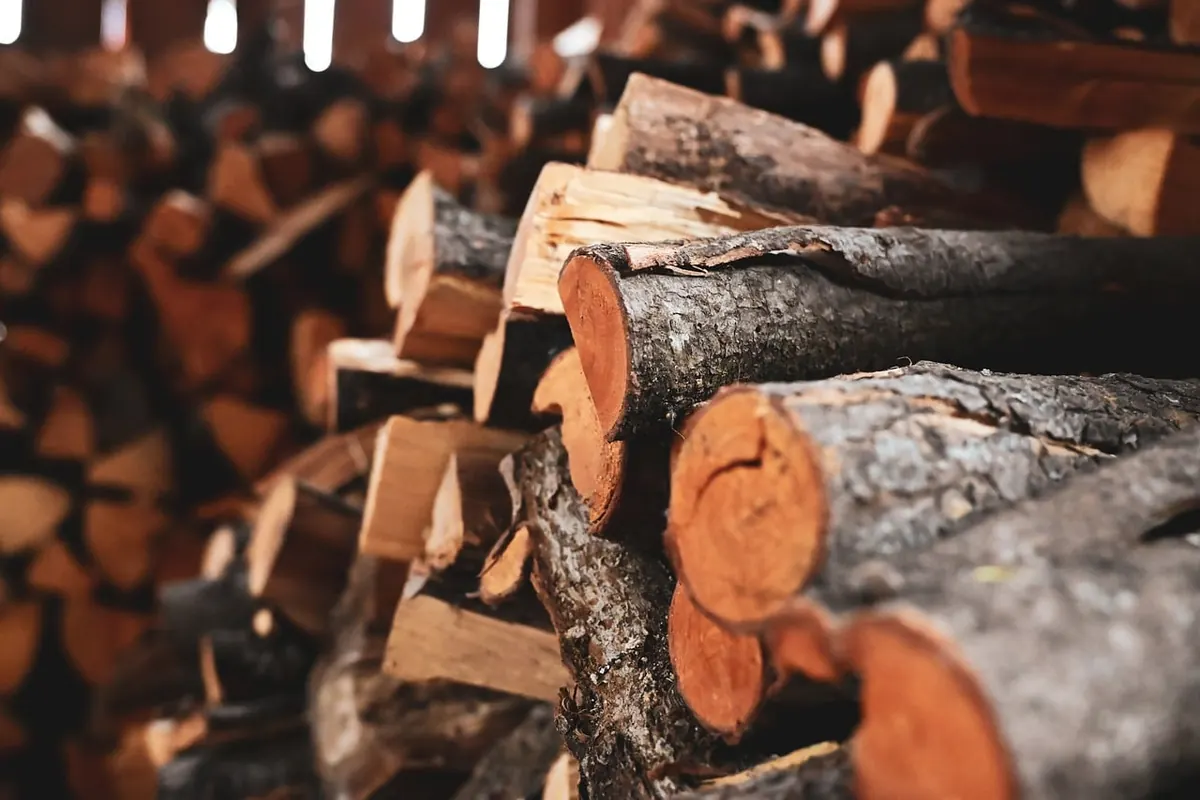
Wet wood wastes heat and lines your flue with tar. Here's how to split, stack and test firewood so it burns hot,...
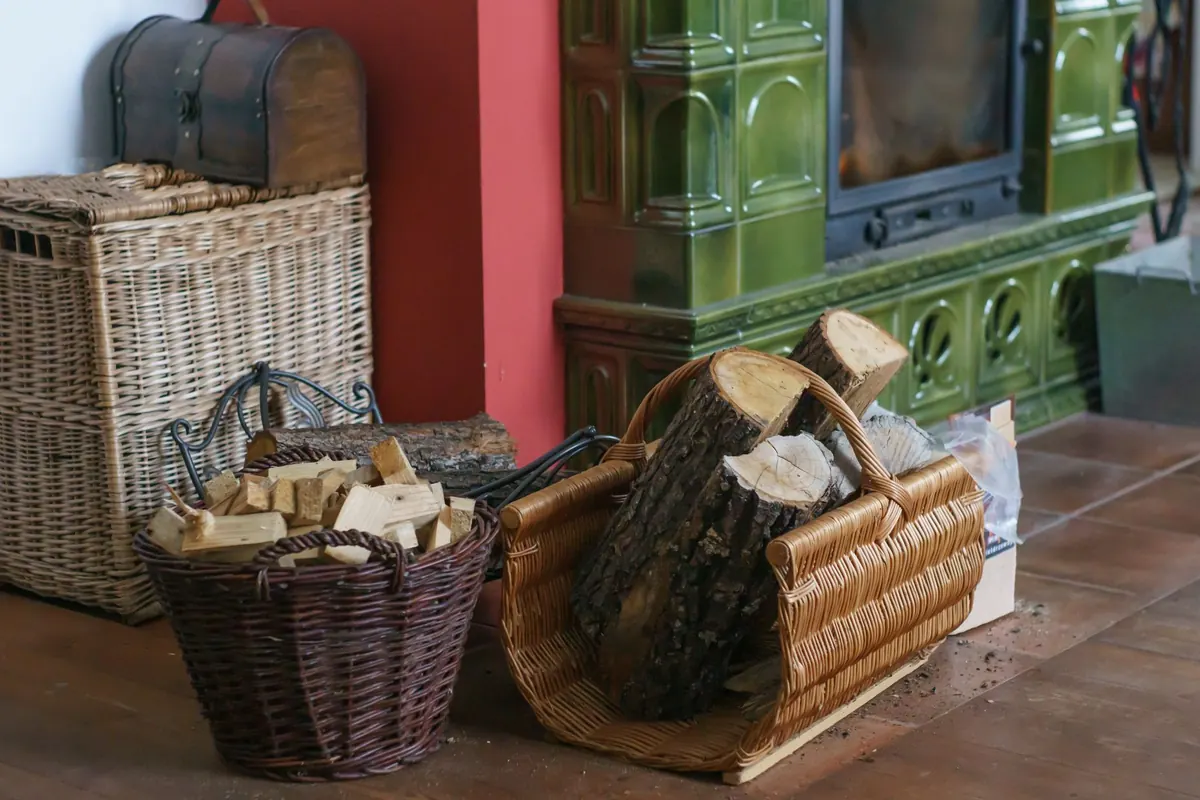
A practical guide to fire guards, log baskets, ash caddies, tools and hearth rugs — how to choose kit that keeps...

Your cozy guide to fireplaces and hearth living.
